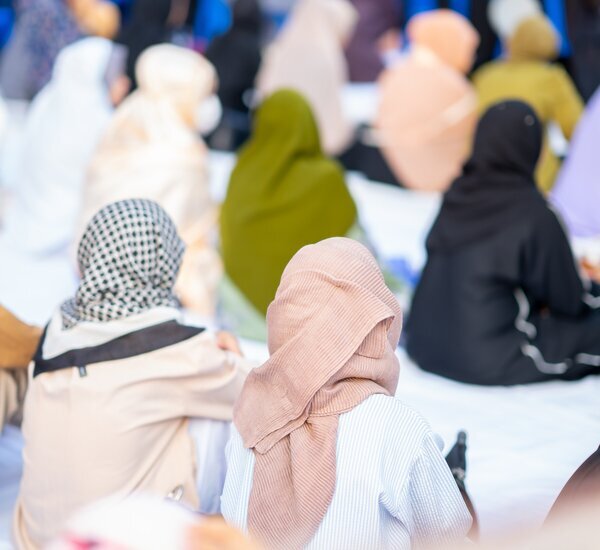
As the holy month of Ramadan draws to a close, a palpable sense of anticipation and joy begins to fill the air for Muslims worldwide. This joyful occasion is none other than Eid al-Fitr, a celebration marking the successful completion of a month of fasting, prayer, and reflection. It's a time for communal prayers, delicious feasts, gift-giving, and, most importantly, happy gatherings with family and friends.
One of the most cherished traditions of Eid is exchanging heartfelt greetings. Whether you're looking to extend warm wishes to Muslim friends, colleagues, or neighbors, knowing the right words can significantly deepen your connection and show genuine respect for their culture. This article delves into the essential Arabic and English Eid Mubarak Sprüche (phrases or sayings) you can use to convey your best wishes, offering not just translations but also valuable cultural context and practical advice.
The Significance of Eid al-Fitr and Its Greetings
Eid al-Fitr is expected to begin after sundown on a specific date (for example, March 19th, 2026, as per some calendars), inaugurating a period of immense gratitude and happiness. After a month of spiritual discipline, Eid serves as a reward and a time to celebrate blessings. It’s a day to forgive, give charity, and strengthen community bonds. Expressing good wishes, or Eid Mubarak Sprüche, is more than just a formality; it’s an act of sharing in this collective joy, acknowledging the spiritual journey undertaken, and offering prayers for well-being and prosperity.
For those unfamiliar with Islamic traditions, learning a few key phrases can bridge cultural gaps and foster greater understanding. It demonstrates an effort to connect on a deeper level, recognizing the importance of this sacred holiday. While many Muslim communities are multicultural and English greetings are widely accepted, a genuine attempt at an Arabic phrase is often met with particular warmth and appreciation. Dive deeper into the nuances of these greetings with our comprehensive guide on Eid Mubarak Sprüche: Arabic & English Wishes for a Blessed Eid.
Essential Arabic Eid Mubarak Sprüche for a Heartfelt Wish
Using native Arabic expressions is a beautiful way to show respect and understanding of Islamic culture. Here are some of the most common and deeply cherished Eid Mubarak Sprüche in Arabic, complete with their meanings and usage tips:
1. عيد مبارك (Eid Mubarak) – "Blessed Eid"
- Meaning: This is arguably the most common and universally recognized greeting for Eid. It literally translates to "Blessed Eid."
- Usage: Simple, straightforward, and appropriate for everyone. You can use it at the beginning of Eid and throughout the celebration. It's concise yet conveys the full spirit of the occasion.
- Pronunciation Tip: "Eed Moo-bah-rak"
2. عيد الفطر مبارك (Eid al-Fitr Mubarak) – "Happy Eid al-Fitr!" or "Blessed Eid al-Fitr!"
- Meaning: This phrase specifically refers to Eid al-Fitr, making it a more precise greeting for this particular celebration. It means "Blessed Eid al-Fitr."
- Usage: Often used when specifically distinguishing from Eid al-Adha (the second major Eid). It's very proper and commonly used among Arabic-speaking communities.
- Pronunciation Tip: "Eed al-Fit-r Moo-bah-rak"
3. كل عام وأنتم بخير (Kul 'am wa antum bi-khair) – "May every year find you well"
- Meaning: This beautiful, versatile phrase extends wishes for ongoing well-being and prosperity. It translates to "May every year find you well" or "May you be well every year."
- Usage: While commonly used in Egyptian Eid greetings, its widespread application makes it suitable for many occasions, including birthdays, Islamic New Year, or any holiday. It expresses a wish for lasting health and happiness.
- Pronunciation Tip: "Kull a'am wa an-toom bi-khair"
4. تقبل الله منا ومنكم (Taqabbal Allahu minna wa minkum) – "May Allah accept from us and from you"
- Meaning: This profound greeting is a prayer, asking Allah to accept the good deeds, fasting, and prayers performed during Ramadan from both the speaker and the recipient. It means "May Allah accept from us and from you."
- Usage: Often exchanged after Eid prayers or during visits, emphasizing the spiritual aspect of Eid and the hope that efforts during Ramadan were pleasing to Allah.
- Pronunciation Tip: "Ta-qab-bal Al-la-hoo min-na wa min-koom"
5. بارك الله فيك (Barakallahu feek) – "May Allah bless you"
- Meaning: A general expression of blessing, meaning "May Allah bless you."
- Usage: Can be used as a standalone wish or as a response to an Eid greeting, indicating good wishes in return.
- Pronunciation Tip: "Ba-ra-ka-llah-hoo feek"
English Eid Wishes: Simplicity and Warmth
For those who prefer to communicate in English, there's a wide array of heartfelt messages that perfectly capture the spirit of Eid. These greetings are popularly used among English-speaking Muslims and are excellent choices for wishing your loved ones a blessed Eid. They offer various ways to express joy, blessings, and prayers.
- "Happy Eid!"
Simple and straightforward, this is a perfect and universally understood wish.
- "May you have a joyful Eid al-Fitr!"
Emphasizes the happiness and celebration of the occasion.
- "Wishing you a blessed and prosperous Eid."
Combines spiritual blessings with wishes for worldly success and well-being.
- "May the blessings of Allah be with you this Eid."
A direct prayer for divine favor and grace.
- "May your prayers and fasting be accepted. Happy Eid!"
Connects the Eid celebration with the spiritual efforts of Ramadan, showing thoughtful recognition.
- "Wishing you a happy and peaceful Eid al-Fitr."
Focuses on the tranquility and inner peace that Eid brings.
- "May this Eid bring happiness and prosperity to your life."
A wish for future joy and success.
- "Sending you warm wishes on this special day. Eid Mubarak!"
A lovely combination of an English sentiment and the classic Arabic greeting, perfect for bridging cultures.
- "May Allah's love and blessings fill your life on Eid and always."
A beautiful, enduring wish for continuous divine grace.
- "On this auspicious occasion, I pray that Allah showers His blessings upon you and your family. Eid Mubarak!"
A more formal and comprehensive prayer for blessings upon the entire family.
- "Wishing you a beautiful Eid filled with love, laughter, and cherished memories."
Highlights the emotional and social aspects of the celebration.
- "May the spirit of Eid bring you peace, prosperity, and success in all aspects of life."
A holistic wish for overall well-being and achievement.
- "May this Eid be a new beginning of greater prosperity, success, and happiness in your life."
Expresses hope for a fresh start and continuous improvement.
For a deeper dive into crafting the perfect message, explore our article on Meaningful Eid al-Fitr Wishes: Top Greetings in Arabic & English.
Practical Tips for Delivering Your Eid Greetings
Beyond simply knowing the words, how you deliver your Eid Mubarak Sprüche can make a significant difference. Here are some practical tips to ensure your greetings are received with the warmth and sincerity they deserve:
1. Timing is Everything
Eid al-Fitr traditionally begins with the sighting of the new moon, signaling the end of Ramadan. Wishes are appropriate from the eve of Eid and throughout the three days of celebration. Sending your greetings early on the first day of Eid shows enthusiasm and thoughtfulness.
2. Choose Your Medium Wisely
- In-Person: The most personal and impactful way to convey wishes, often accompanied by hugs or handshakes (observing cultural norms).
- Phone Calls/Video Calls: Great for connecting with distant loved ones.
- Text Messages/Messaging Apps: Convenient for widespread greetings, especially for acquaintances or busy schedules.
- Social Media: Suitable for public well-wishes, but consider sending more personal messages privately to close friends.
3. Personalize Your Message
While generic greetings are fine, adding a personal touch makes your message more meaningful. Mention a shared memory, express specific hopes for their family, or refer to their recent Ramadan efforts. For instance: "Happy Eid, [Friend's Name]! I hope you had a blessed Ramadan and that this Eid brings you immense joy and relaxation."
4. Don't Be Afraid to Practice Arabic Phrases
If you choose to use an Arabic phrase, don't worry too much about perfect pronunciation. The effort itself is highly appreciated. Listen to native speakers if you can, or use online pronunciation guides. A sincere attempt, even if imperfect, speaks volumes.
5. Combine Languages Thoughtfully
It's perfectly acceptable to use a mix of languages. For example, starting with "Eid Mubarak!" and then continuing with an English message like, "Wishing you and your family a blessed and peaceful day." This combines cultural respect with clear communication.
6. Sincerity Over Formality
No matter which phrase you choose, ensure it comes from the heart. Authenticity and sincerity are the most important elements of any greeting.
Conclusion
Eid al-Fitr is a time of profound happiness, spiritual reflection, and community bonding. Knowing how to say "Happy Eid" in both Arabic and English, utilizing various Eid Mubarak Sprüche, allows you to participate meaningfully in these celebrations. Whether you opt for the classic "Eid Mubarak," the deep spiritual prayer of "Taqabbal Allahu minna wa minkum," or a warm English wish, your effort to connect and share in the joy will undoubtedly be cherished. Embrace the opportunity to spread kindness, understanding, and festive cheer, making this Eid a truly special occasion for everyone you greet.